

Northern Kenya
Samburu & Northern Kenya
Dramatic landscapes, rare wildlife, rich culture and adventures beyond the usual safari routes.
Northern Kenya is a land of striking contrasts, from the red-earth plains and riverine forests of Samburu to the remote deserts, volcanic landscapes and communities around Lake Turkana and Marsabit.
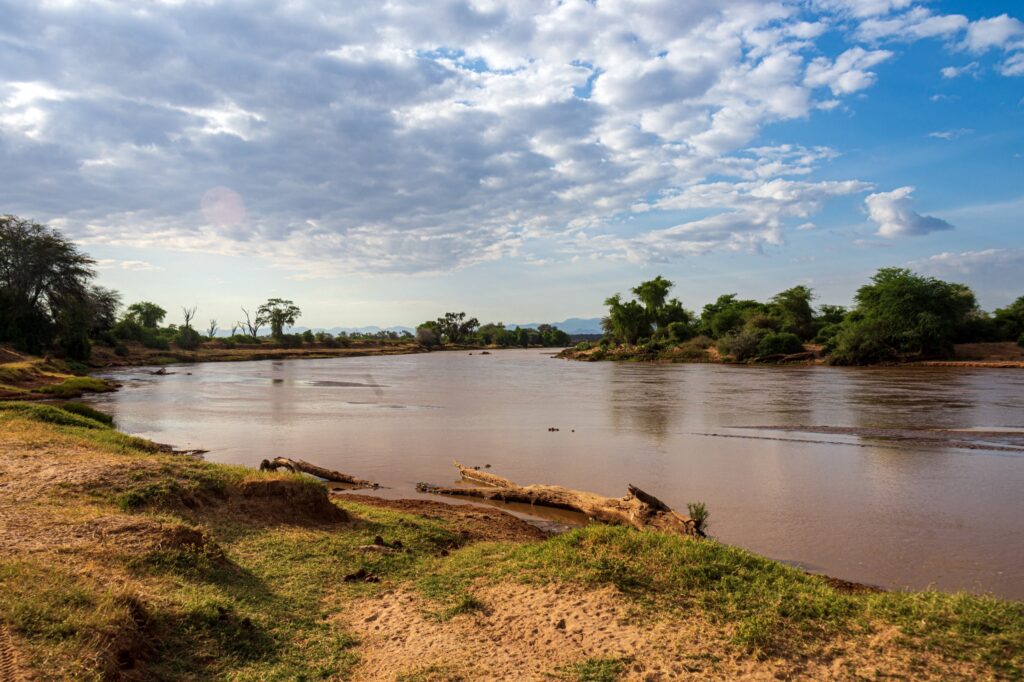
Samburu National Reserve is one of Kenya’s most rewarding safari destinations. Set in the semi-arid north, it is a landscape of doum palms, dramatic mountains and the life-giving Ewaso Ng’iro River.
Together with neighbouring Buffalo Springs and Shaba national reserves, Samburu protects wildlife you won’t see further south: the famous Samburu Special Five. Add large elephant herds, leopards, lions and a proud pastoral culture, and it’s easy to see why so many travellers consider Samburu a highlight of their Kenyan safari.
For those looking to venture further, the wider northern region offers fascinating cultural encounters, remote wilderness and the remarkable shores of Lake Turkana – the Jade Sea.
Best for
Rare northern wildlife, quieter game drives, dramatic landscapes and cultural experiences
Getting there
Samburu is around 6 to 7 hours by road from Nairobi via Nanyuki, or approximately an hour by light aircraft from Wilson Airport. Further northern destinations require additional travel planning.
Best time to visit
The dry seasons in Samburu are generally late June to October and January to March.
Highlights
Tap + to add an experience to your trip.
The Ewaso Ng’iro River is Samburu’s lifeline. In the dry season, when the plains turn gold and dust-red, wildlife is drawn to its banks from miles around, making for some of Kenya’s most rewarding game-viewing opportunities.
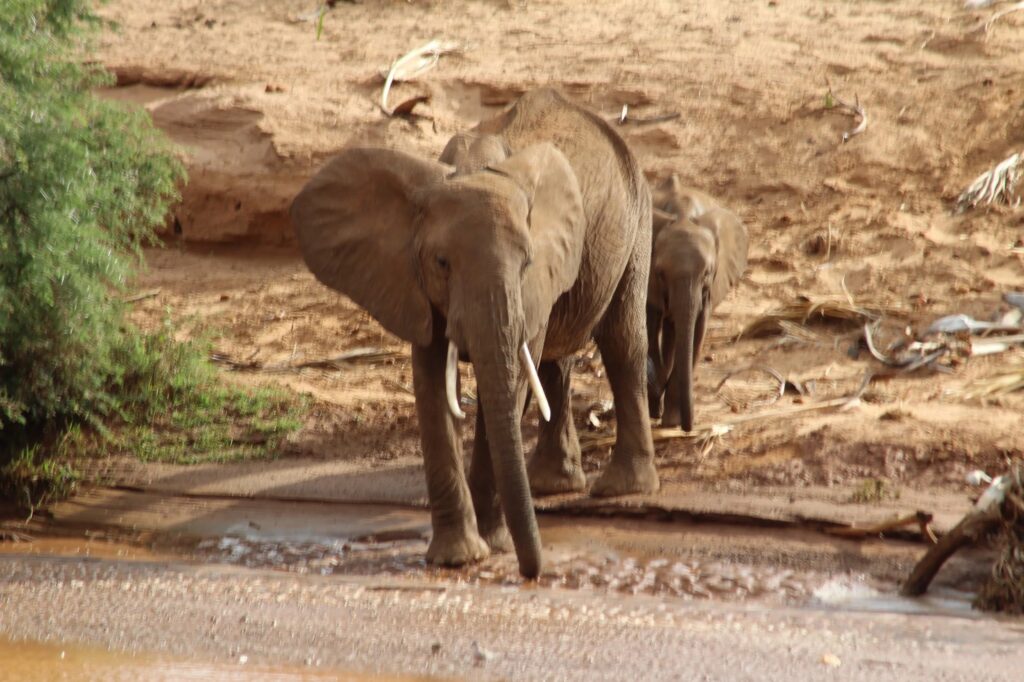
Game drives follow the riverine forest of acacia and doum palm, where elephants come down to drink and bathe, crocodiles bask on the sandbanks and leopards rest in the shade. The reserve’s relatively compact size and quieter atmosphere can make wildlife encounters feel wonderfully personal.
Look out for lions, giraffes, zebras, antelope and an extraordinary variety of birdlife as you explore this distinctive northern landscape.
One of Samburu’s biggest attractions is the chance to see five distinctive species particularly associated with Kenya’s northern drylands. Known collectively as the Samburu Special Five, they make this region quite different from the more familiar southern safari parks.
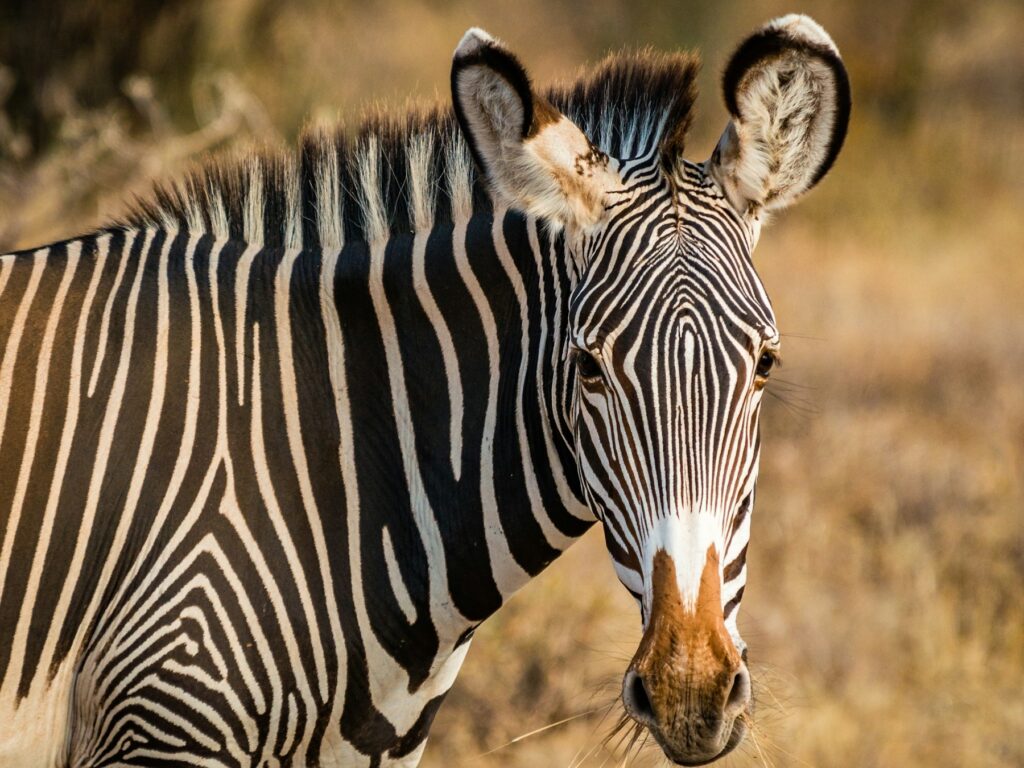
The largest and rarest zebra, with narrow stripes and big, rounded ears.
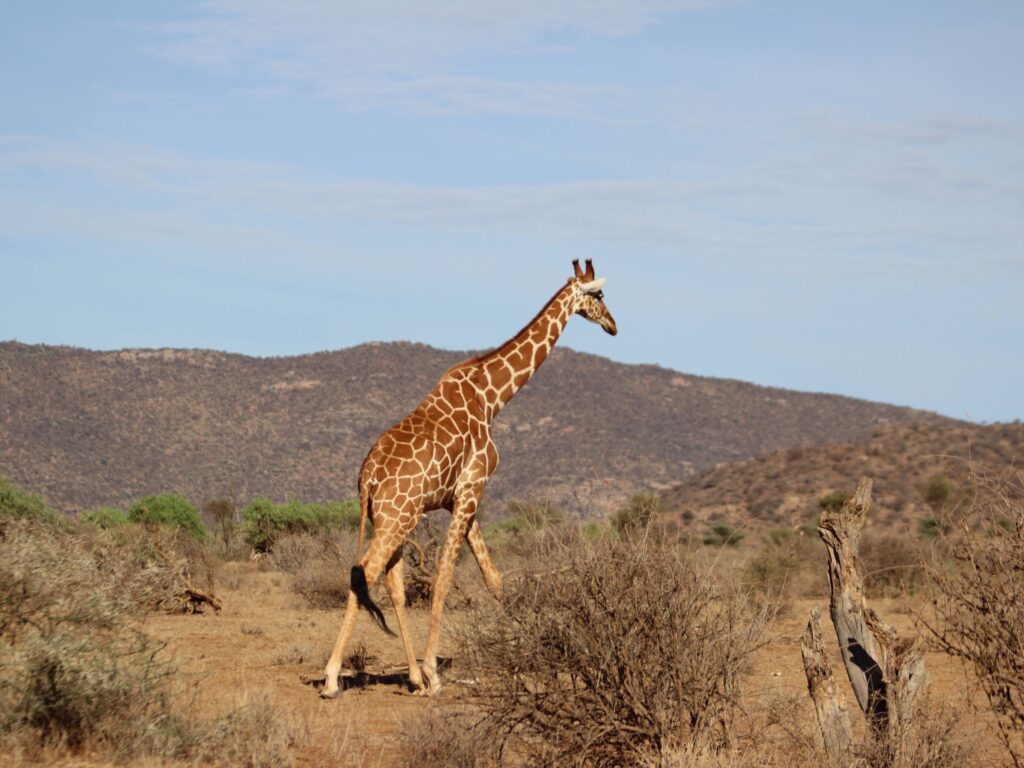
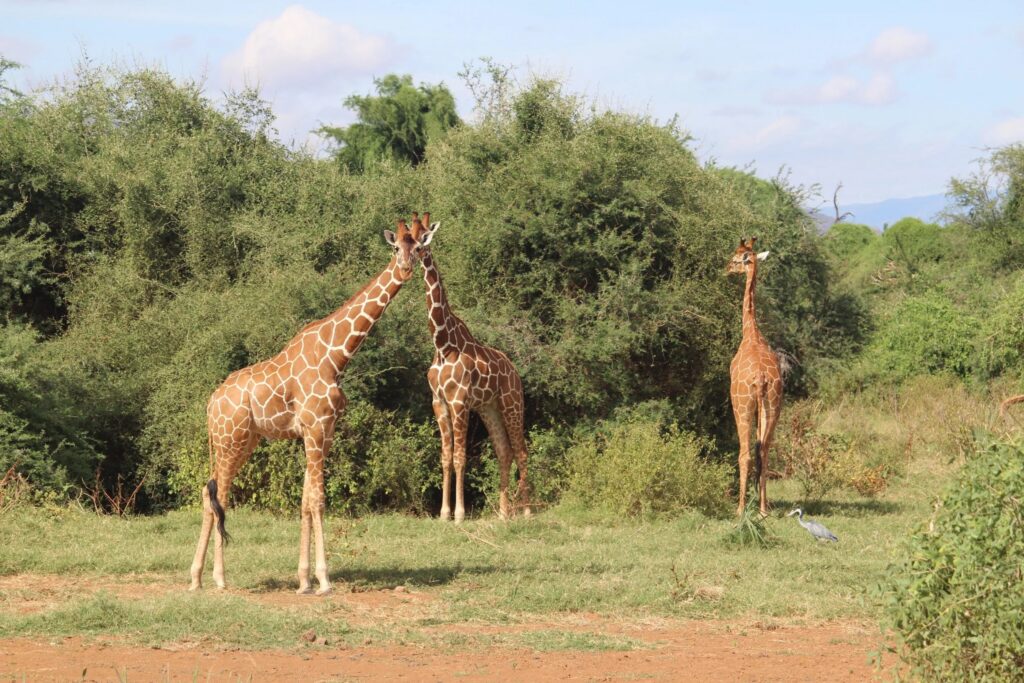
Bold, net-like markings make it one of Africa’s most striking giraffes.
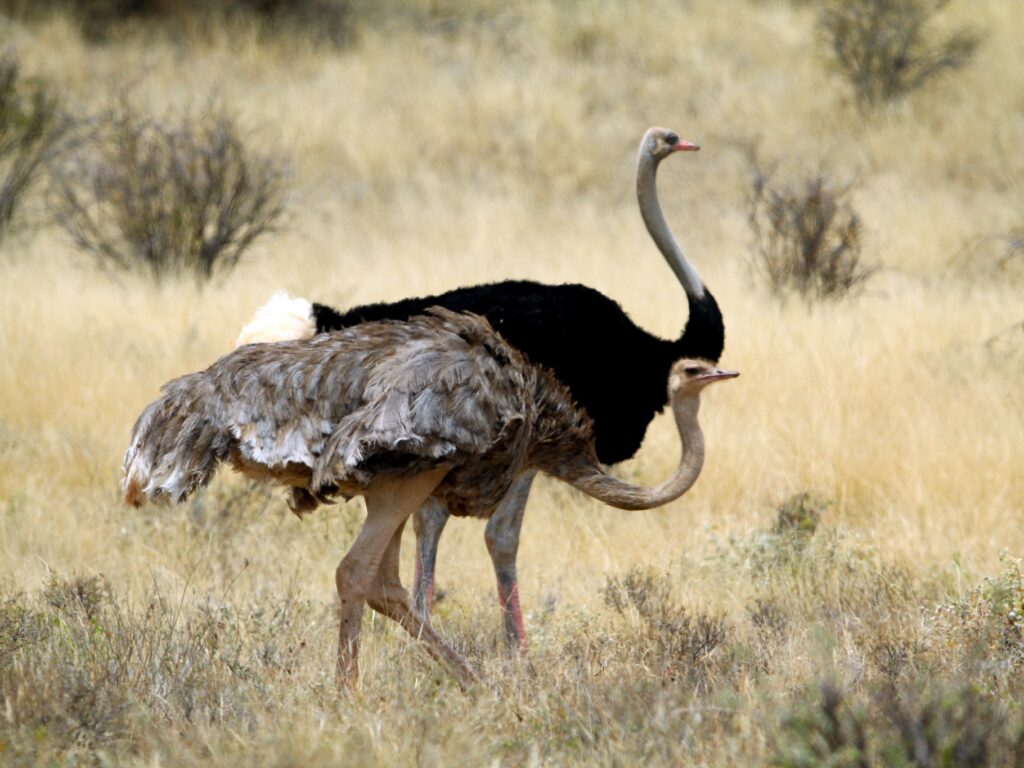
A distinctive ostrich whose males show off blue-grey necks and legs during the breeding season.
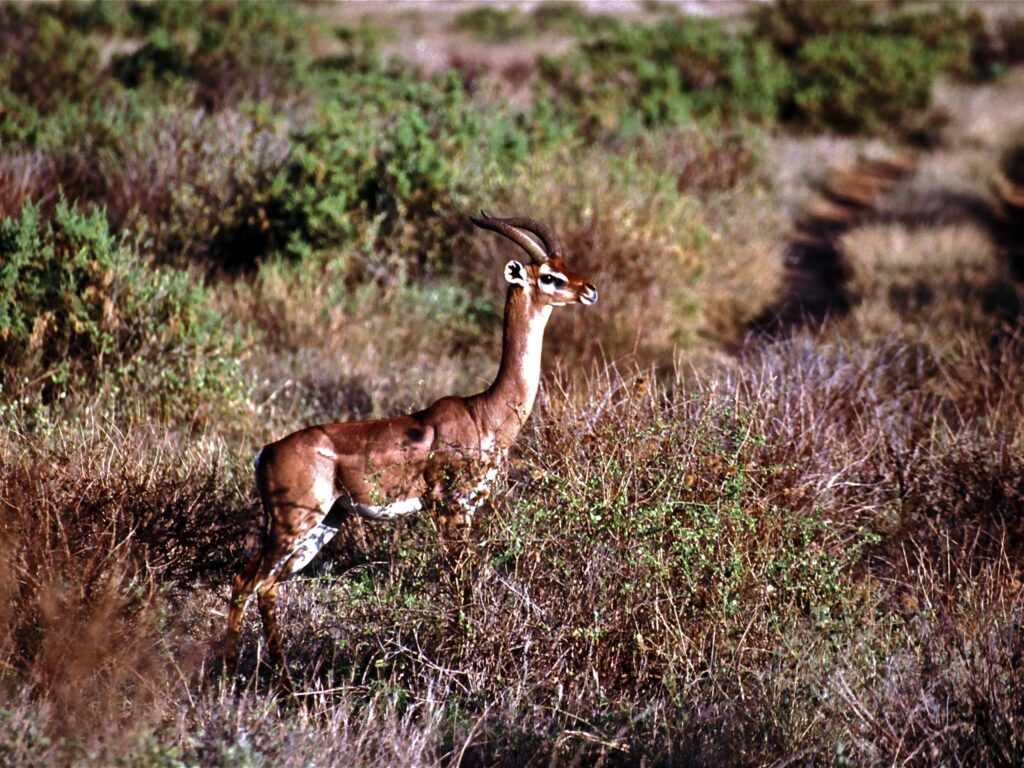
A slender antelope with an unusually long neck, often standing on its hind legs to reach leaves high in the trees.
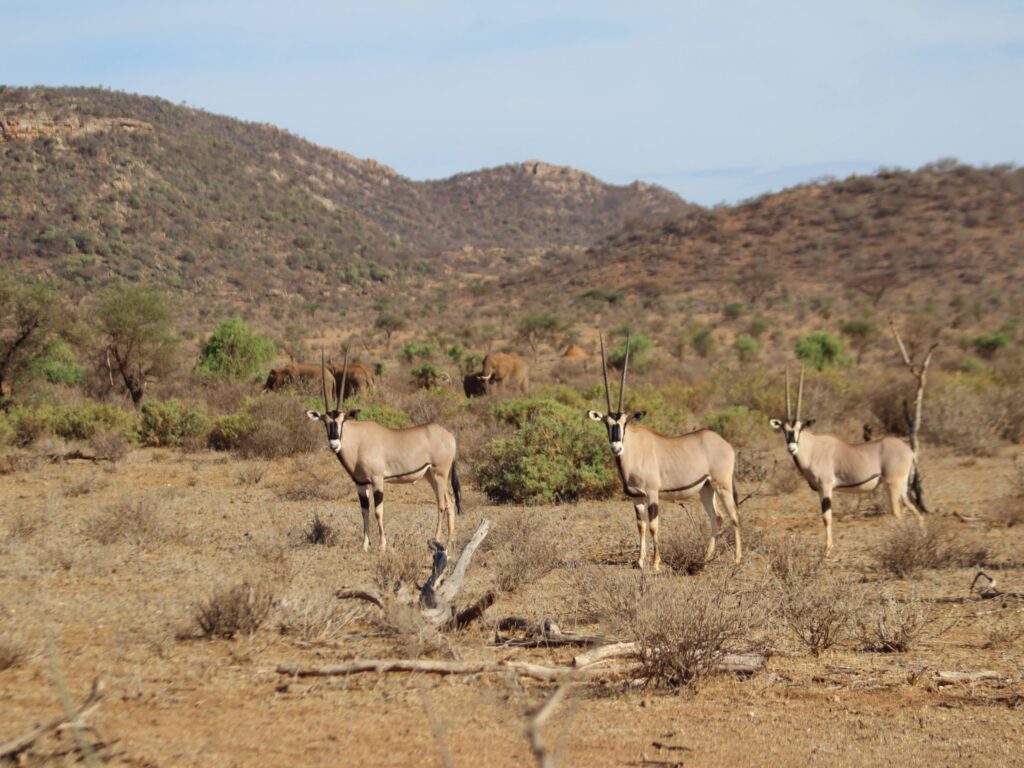
Recognisable by its long, straight horns and striking black-and-white facial markings.
These five species are a real highlight of a northern Kenya safari, and experienced local guides know the habitats and areas where visitors have the best chance of spotting them.
Just across the Ewaso Ng’iro, Buffalo Springs National Reserve takes its name from the clear, spring-fed pools that rise from the volcanic rock. The springs create a green oasis in the dry country, attracting reticulated giraffes, zebras, gazelles and herds of buffalo.
With lava plains, riverine forest and open grassland, Buffalo Springs offers a different perspective on the Samburu ecosystem and is easy to combine with a visit to Samburu National Reserve.
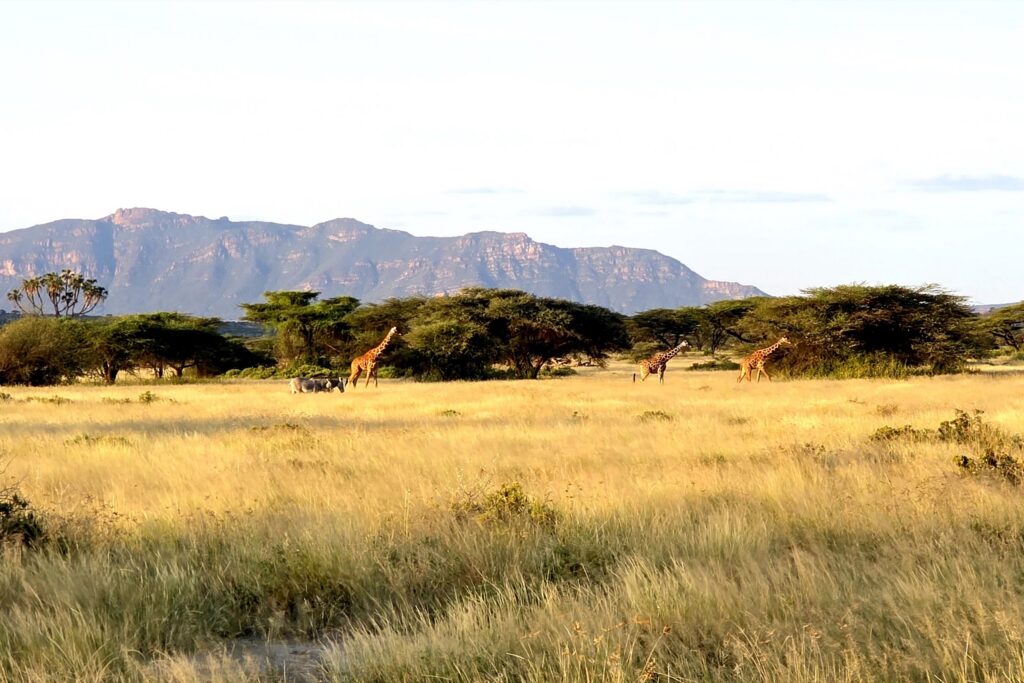
East of Samburu, Shaba is wilder and even quieter, with rocky hills, natural springs and sweeping golden plains framed by the Shaba massif.
Joy Adamson, author of Born Free, spent her final years here working with leopards, adding an interesting piece of conservation history to this remote landscape.
Game drives in Shaba feel genuinely remote. Look for Grevy’s zebra, gerenuk and lions, and stay for spectacular views across the plains as the sun sets behind the hills.
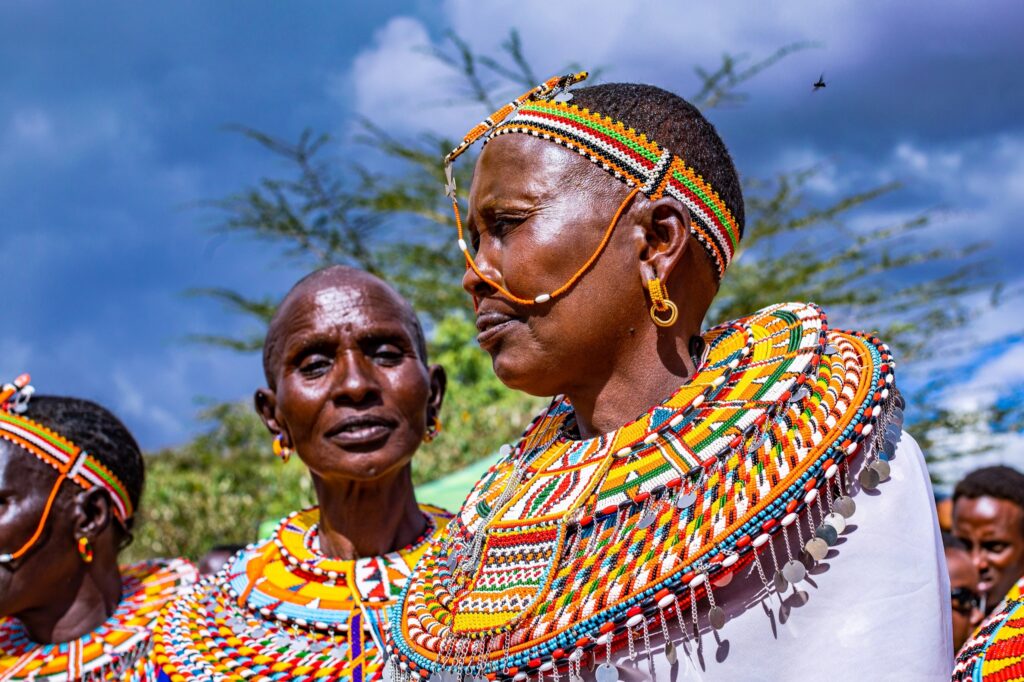
The Samburu are semi-nomadic pastoralists, closely related to the Maasai, whose lives have traditionally revolved around their cattle, goats and camels. They are known for their colourful dress, intricate beadwork and spirited songs and dances.
A visit to a Samburu village, arranged respectfully with the community, offers an opportunity to learn about daily life, traditional homes and ceremonies. Visitors may also have the chance to buy beadwork directly from the women who make it.
These encounters offer a fascinating insight into the traditions and way of life of communities who have a deep connection with this landscape.
Hundreds of bird species have been recorded in the Samburu ecosystem, from vulturine guineafowl and lilac-breasted rollers to eagles circling above the river. Keen birdwatchers can look out for northern species that are rarely seen elsewhere in Kenya.
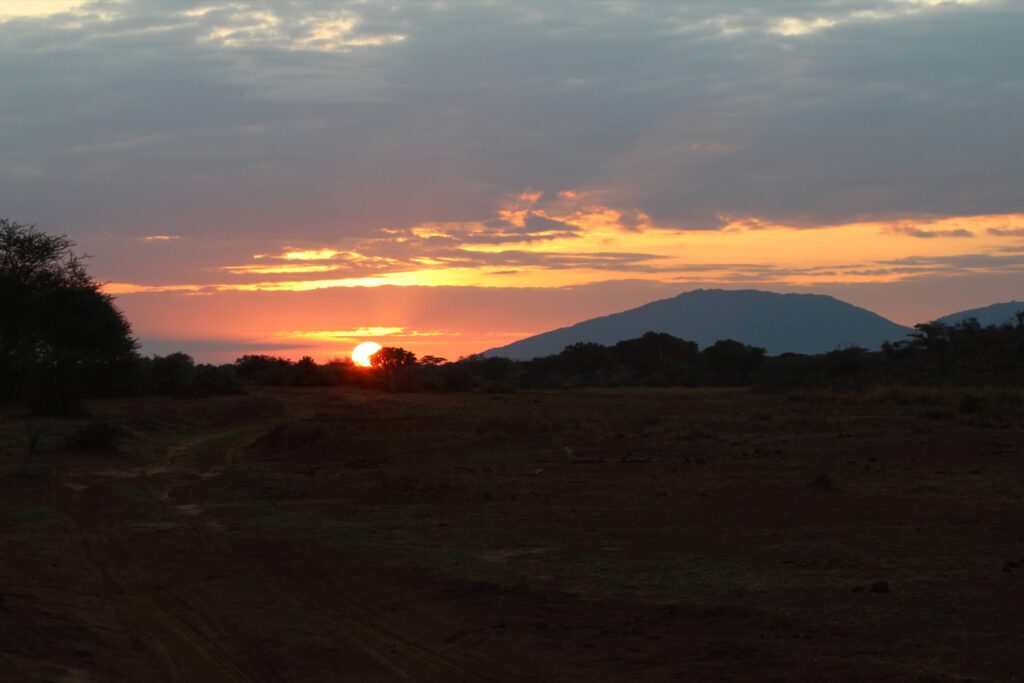
As the heat of the day fades, there is nothing quite like a sundowner on a ridge, watching the sun sink behind the mountains as the sky turns orange and pink.
For travellers looking to explore beyond Samburu, the wider northern region offers some of Kenya’s most remote and fascinating cultural experiences.
Around Baragoi and the El Barta Plains, there may be opportunities to discover the traditions of pastoralist families, learn about daily routines and experience local ceremonies. Community and school visits can also offer a different perspective on life in this part of Kenya.
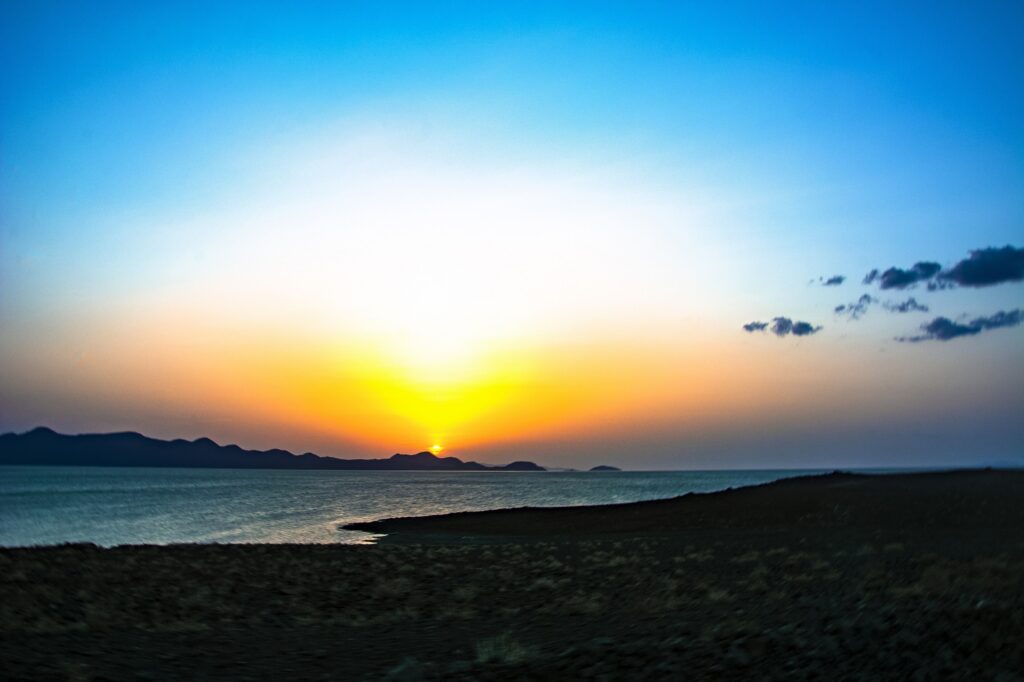
Further north lies Lake Turkana, often known as the Jade Sea for its striking colour. Its shores are home to the El Molo people, whose traditional fishing culture is closely connected to the lake.
These experiences offer a deeper understanding of the people, traditions and landscapes that make Northern Kenya so distinctive.
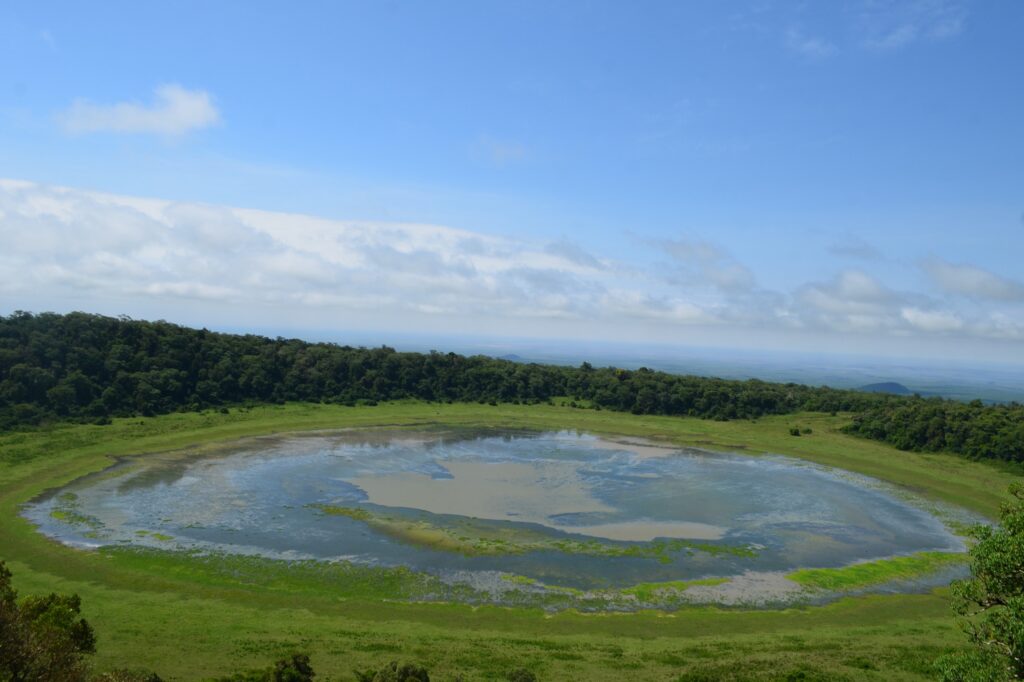
The Marsabit region offers another side of Northern Kenya, with vast desert scenery, traditional communities and surprising pockets of green wilderness.
Explore the landscapes of the Kaisut Desert and discover the traditions of Rendille communities, including their distinctive beadwork, songs and customs through locally arranged cultural experiences.
Marsabit National Park provides a striking contrast to the surrounding dry country. Its montane forest, volcanic features and peaceful Lake Paradise create a unique habitat for wildlife, including impressive big-tusked elephants.
Morning and afternoon drives along the Ewaso Ng’iro in search of the Samburu Special Five, elephants and big cats.
Discover vibrant traditions, intricate beadwork and a pastoral way of life through respectful, locally arranged community visits.
Guided bush walks and camel treks with Samburu guides in the community conservancies around the reserve.
Look out for distinctive northern bird species and capture the changing colours of the Samburu landscape.
Learn about local traditions, pastoralist communities and the fishing culture of the El Molo people around Lake Turkana.
Discover the Kaisut Desert, Rendille traditions and the unique wilderness of Marsabit National Park.
A journey combining Nairobi, Nanyuki and the wild landscapes of Samburu, with time to discover the region’s remarkable wildlife and scenery.
Your holiday can be shaped around the experiences, accommodation style and pace that suit you. Whether you’d prefer to spend your time exploring the reserve or include additional stops along the way, Savannah can help create a journey around your interests and budget.
Samburu can be reached by road, usually taking around 6 to 7 hours via Nanyuki, or by light aircraft from Wilson Airport, with a flight of approximately an hour. Travel to more remote areas of Northern Kenya involves additional planning.
The dry seasons, generally late June to October and January to March, are popular times to visit. Wildlife often gathers around the Ewaso Ng’iro River during drier periods, making game viewing particularly rewarding.
Around three to four days gives you time to enjoy several game drives and explore the reserve. If you’d like to include Buffalo Springs, Shaba or further northern destinations, you may want to allow more time.
Samburu is famous for its Special Five: Grevy’s zebra, reticulated giraffe, Somali ostrich, gerenuk and Beisa oryx. You can also look out for elephants, lions, leopards, crocodiles, buffalo and many other species.
Samburu can be a wonderful family safari destination, with exciting wildlife and opportunities to learn about local culture. The most suitable arrangements will depend on the ages and interests of your family, as well as the accommodation and activities selected.
Both offer excellent wildlife experiences, but the landscapes and animals are quite different. The Maasai Mara is famous for its open savannah, big cats and Great Migration, while Samburu is known for its dry northern landscapes, river habitats and the Samburu Special Five.
It may be possible to include these more remote destinations as part of a longer Northern Kenya adventure. They require additional travel time and careful planning, so your itinerary will depend on how much time you have and the experiences you’d like to include.
Tell us when you’d like to travel, what you’d love to experience and the budget you have in mind. Savannah will help shape a personalised Northern Kenya adventure around you.

Savannah Surprise Travel
Trip planner · our team replies personally